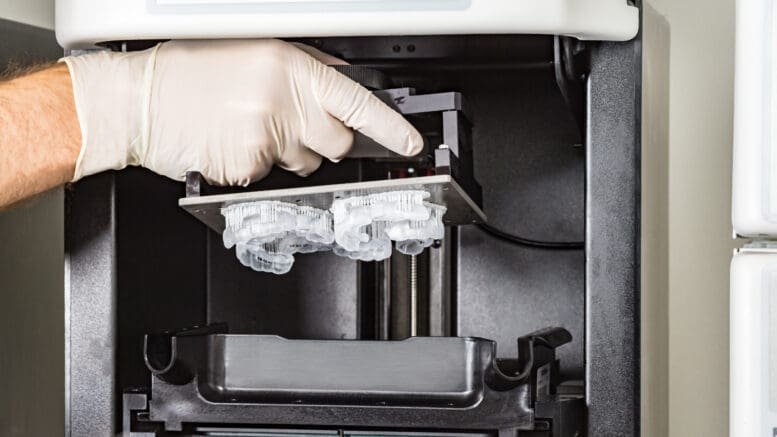
What grinding wear looks like
Bruxism wear has a signature: flattened biting edges where cusps should be, front teeth that have become shorter and squarer, small chips along the edges, and increasing sensitivity as enamel thins and dentine underneath is exposed. Later, teeth can look yellower — not from staining, but because the darker dentine shows through thinning enamel.
The uncomfortable truth about enamel
Enamel is not living tissue and it does not regenerate. What's worn away is gone. That's not a counsel of despair — it's the reason the sequence matters: stop the wear first, restore second. Restoring worn teeth while the grinding continues unchecked is how people end up paying twice, because the same forces that wore the natural teeth will attack the new work.
Step one: stop the damage
A properly fitted night guard is the standard protection for sleep grinding, and for daytime clenching the habit work matters as much as the appliance. For heavy grinders — particularly anyone who has broken plates — the appliance needs to match the force, and treating the muscle itself becomes a legitimate part of the conversation.
Step two: what restoration can offer
Once wear is under control, a dentist can discuss options depending on severity — from composite bonding to rebuild worn edges, through veneers or crowns for more extensive damage, up to full-mouth rehabilitation where wear has changed the bite significantly. Which is appropriate depends on how much tooth is left, your bite, and your grinding — assessments that require an in-person examination, not a website.
Why protection matters even more afterwards
Restorations are strong but not invincible, and grinders who don't protect new work are the classic repeat-repair patients. Anyone with crowns, veneers or bonding should be in a hard-build guard as a matter of course — the plate is cheap insurance against work that costs many multiples of it.
Get it looked at properly
Visible wear deserves an in-person dental examination — to grade the severity, rule out other causes of tooth-surface loss (acid erosion looks different and is managed differently), and plan in the right order. Our assessment will route you to clinical care rather than sell you a device when that's what's actually needed.
Worn teeth deserve a clinician, not a checkout
Our assessment screens your symptoms and routes you appropriately — including in-clinic care with our team where that's what's actually needed.
Start the assessment →When to seek care instead of self-treating: if your jaw locks or clicks painfully, if headaches are new, severe or worsening, or if you've had recent facial trauma, see a clinician first. Our consultation screens for exactly these and will route you to clinical care rather than sell you a device.